
Filter by category
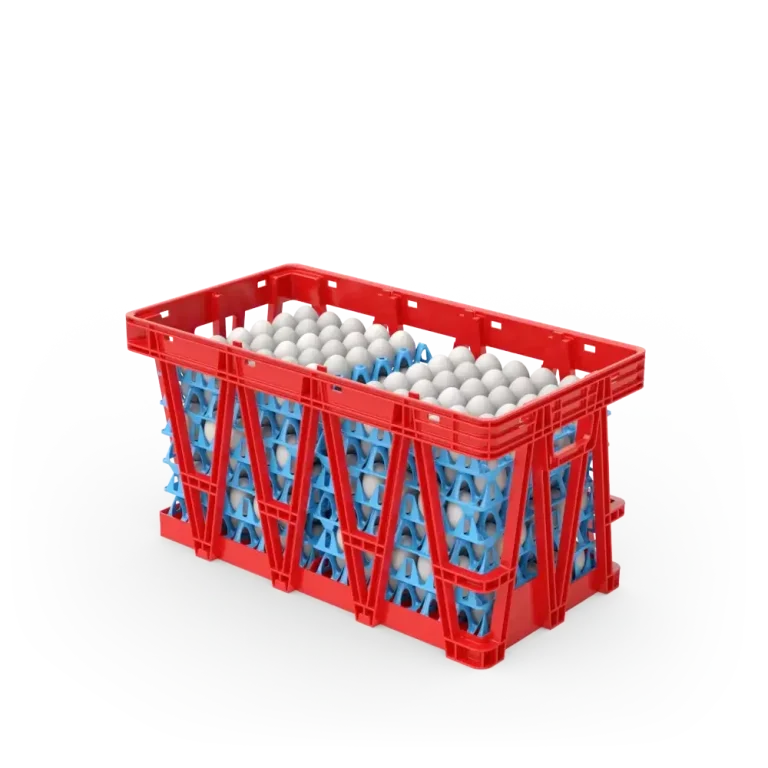
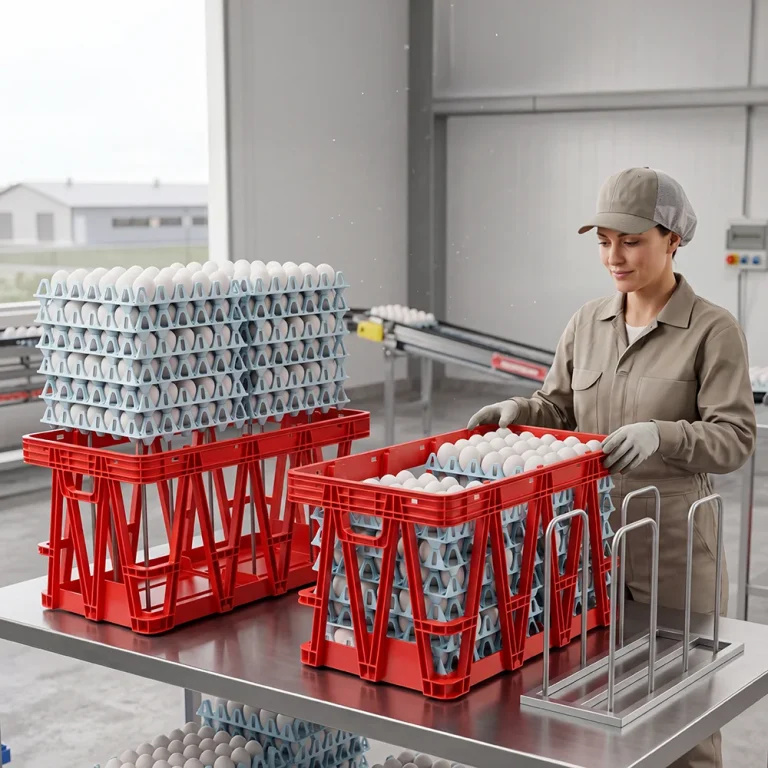
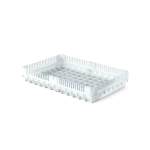
Lindamatic 360
A highly ventilated plastic egg basket designed for the efficient transport and handling of hatching and table eggs on 30-egg trays.


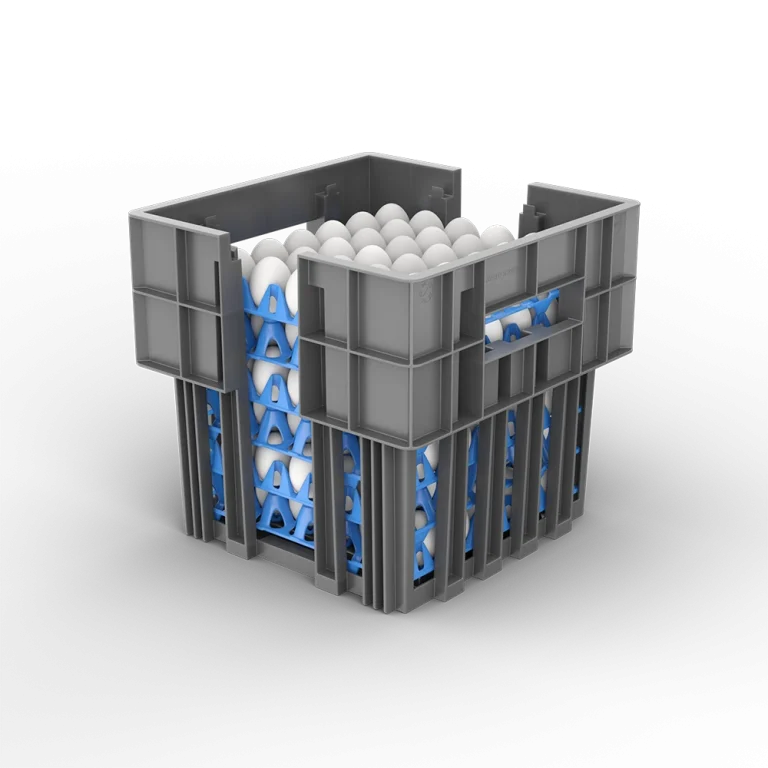
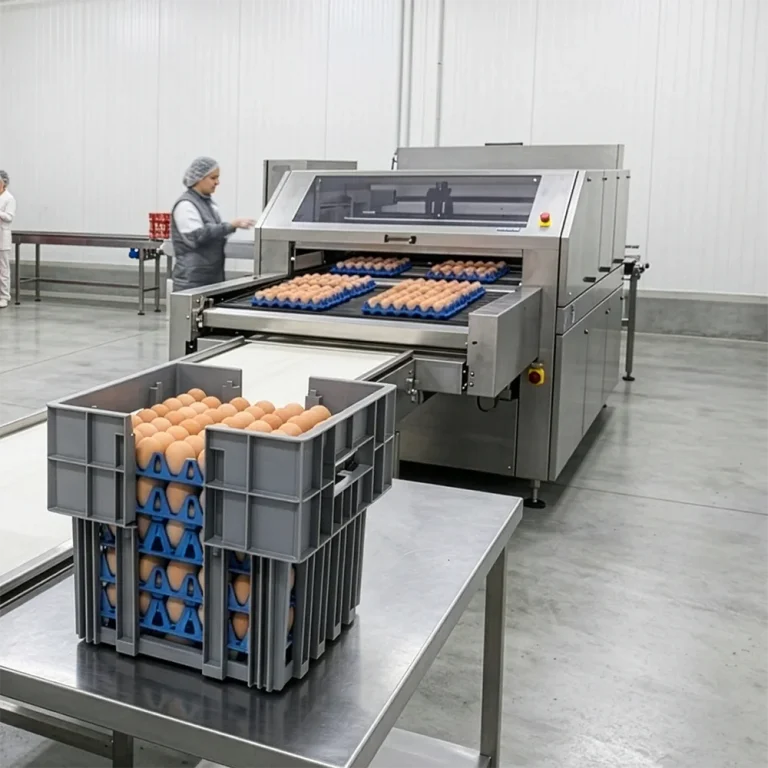
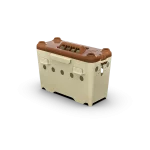
Lindamatic 180
A lightweight, stackable and nestable plastic egg crate designed to protect multiple trays while reducing return transport space by up to 30%.
Get your quote now!
"*" indicates required fields
Advanced Filters
113 products found
Layer
 Broiler
Breeder
 Ruminant
 Pig
 Sheep
 Chick
 Rabbit
 Duck
 Turkey
 Pigeon
 Pheasant
 Quail
An egg is fragile from the moment the hen lays it. On the way to the packing station or the hatchery, it is lifted, stacked and driven over rough roads. Crates take most of that strain. They hold the trays in place, carry the weight of the stack and keep pressure away from the shells. Giordano designs and produces crates for egg producers, packing centres and hatcheries worldwide.
What plastic egg crates need to do
Egg crates carry eggs in bulk, and that job asks for more than a simple box. The crate has to take the weight of the stack above it. It has to keep its shape when it is full, wet or warm. It also has to match the trays you already use. Plastic egg crates hold up well in these conditions. They keep their strength in humid air and stay in service for years.
Stackable egg crates save space as well. Full crates stack on top of each other without touching the eggs inside. Empty crates nest into each other, so the return trip takes far less room on the truck. On a poultry farm with a fixed route to the packing centre, that saving shows up every week. Giordano has designed plastic products for the professional poultry sector for more than 60 years. That experience sits in the crate design, from the stacking edge to the fit with the tray.
Two Lindamatic egg crates for different jobs
The Lindamatic egg crates come in two versions. Both are part of the egg handling range, next to trays, pallets and automated cargo systems. Together they form one egg crate transport system. The tray holds the egg. The crate protects the stack and the pallet carries the load.
Your choice depends on where the eggs go next and how they are packed.
Lindamatic 360 for hatching eggs and warm climates
The Lindamatic 360 holds 360 eggs. It measures 677 x 367 x 360 mm and weighs 2.5 kg. The design is open, so air moves through the crate and around the eggs. That makes it a strong choice in regions with high temperatures and a high humidity rate.
The bottom has openings for a dedicated metal structure. With that frame in place, staff fill and empty the crate with 30-egg trays in one movement. Breeder farms use the 360 to send hatching eggs to the hatchery. Grading and packing centres use the same crate for table eggs. Transport planning is simple. One pallet of 1350 x 1100 x 2500 mm holds 96 crates. A 20-foot container takes 800 crates and a 40-foot high cube takes 1,880. A standard truck holds 2,000.
Lindamatic180 for automated packing lines
The Lindamatic180 is light and strong. It is fully stackable and nestable, so you can handle several trays at once with extra protection for the eggs. Empty crates nest into each other and reduce the loading space by 30%. That makes the return transport of empties much cheaper.
The 180 also works with most case-packer brands on the market. You can add these egg transport crates to an existing line without rebuilding it. There are two versions: a pierced bottom and a full bottom. The pierced bottom has openings in the base. The full bottom is closed. Your packing line and your cleaning routine decide which one fits.
Hygienic egg crates that you can wash and reuse
Hygiene starts with the material. Smooth plastic gives dirt and moisture little to hold on to. You can clean and disinfect the crates between runs and put them straight back into use. That is why egg producers choose washable, reusable egg crates for commercial use. Reusable plastic egg crates also cut waste. One crate replaces hundreds of single-use boxes over its working life. Empty crates travel back to the farm, get washed and start again. For a poultry farm that ships every day, that loop keeps the cost per egg low.
These plastic egg crates transport eggs between farm, packing station and hatchery. They work as egg storage crates in the cold store too. Eggs stay in the same crate from collection to dispatch. Every transfer you avoid is one less chance of damage. Hygienic egg transport crates only pay off when they last. A crate that cracks after one season costs more than it saves. Giordano builds the Lindamatic range for daily use in commercial operations. Washing and repeated stacking are part of the design brief.
The 360 gives ventilation and volume for hatching eggs and warm climates. The 180 nests and stacks, and fits existing packing lines. Giordano Global supplies both crates as part of a full poultry range. Seven business units on every continent keep supply and support close to your farm.
Do you have a question?
If you have any questions or require further information, please reach out to us!
Frequently asked questions
Do duck eggs require a special egg tray?
Ducks are generally larger than chicken eggs, so they may not fit in a standard chicken egg tray. To store duck eggs properly, you can consider two options. You can look for special egg trays designed for larger eggs, which have bigger compartments to accommodate the size of duck eggs. You can also consider multi-size Egg Trays, which can be adjustable or come in multiple sizes to fit different egg sizes. Ensure the storage method keeps the eggs stable and safe from cracking.
What are the advantages of a plastic egg crate compared to corrugated boxes?
Plastic egg crates offer several advantages over corrugated boxes for storing and transporting eggs. They are more durable, resisting moisture and pressure damage, and offer reusability by being easy to clean and sanitize, reducing waste and costs. Their rigid structure provides better protection for eggs, minimizing breakage during transit. Additionally, plastic crates excel in hygiene by avoiding moisture absorption and bacterial buildup, making them safer for food handling. Their stackable design optimizes space and stability, while customization options like handles or locking mechanisms enhance functionality. Giordano offers her Lindamatic egg crates which are the perfect solution for transport and protection of eggs.
Does Giordano offer solutions for the transportation of quail and quail eggs?
Yes, Giordano Global offers solutions for the transportation of quails and quail eggs. They have special transportation solutions and packaging materials that are designed to transport quails and their eggs safely and efficiently. Think about the well-designed coops and the special egg trays for 72 quail eggs. You can contact Giordano Global for more information about their products and services for the transportation of quails and quail eggs.
Can an egg tray with one cup size safely carry all kinds of chicken eggs?
An egg tray with one cup size can carry a variety of chicken eggs. Whether it can do so safely depends on the size of the cups and the range of egg sizes it needs to accommodate. Most trays accommodate medium to large eggs, commonly produced in commercial settings, but smaller eggs may be unstable, and jumbo eggs might not fit securely. Deep or conically shaped cups provide better support for different sizes, reducing movement and breakage risks. Variations in egg size by breed or shell thickness also affect fit and safety. Flexible trays can adapt to different sizes, but operations handling diverse egg sizes may require multiple tray types. Giordano offers a wide range of egg trays all meant to protect the eggs the best possible way.
At what temperatures can I wash plastic egg trays?
Washing egg trays, particularly those made by Giordano, involves ensuring the trays are effectively cleaned without causing damage to the material. The specific minimum and maximum temperatures for washing Giordano egg trays would typically depend on the material of the trays and the manufacturer’s recommendation. There are some general guidelines. For effective cleaning, a minimum temperature of 40°C (104°F) is often recommended to help remove dirt and organic matter. To make sure the trays are safe from warping or degradation, the maximum temperature of 60-70°C (140-158°F) is recommended. It is also important to use the appropriate detergent and to let the products air-dry.